 Sergio Carracedo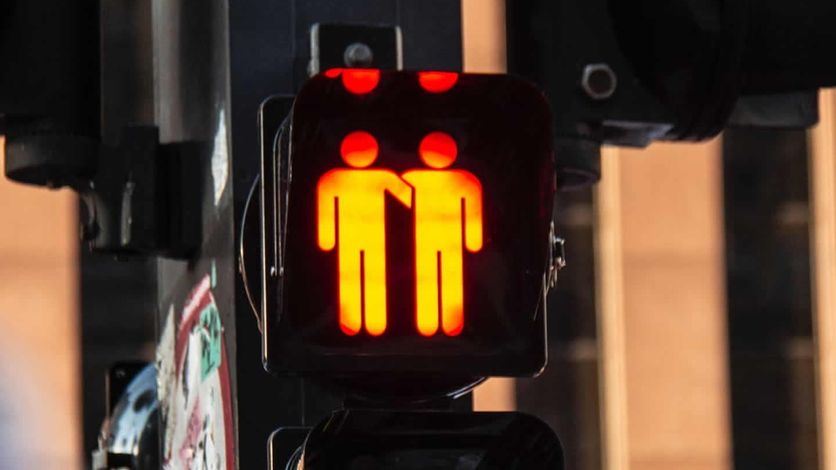
Social media is becoming increasingly present every day and is already part of many of our lives. Without becoming a dependency, it is a tool that allows us to stay in touch with our friends and acquaintances, just as postcards, letters, and landlines were in the past, for example.
The minimum age to access a social network is 14 (at least for Facebook and Tuenti in Spain), but it is common knowledge that minors try to access these networks much earlier, forcing network administrators to delete many accounts created by those under 14.
We all know of an example of a cousin, nephew, etc., who has tried to add us as a friend on Facebook at some point, and of course, this is ‘reprehensible’ behavior (and reportable to the networks themselves) that we would recommend bringing to their parents’ attention.
But what if there were a type of supervised account on social media?
This account would be created by the parents, who would have control over all activity and important actions of the account, for example. If someone tries to add your child as a friend, it seems reasonable that you should decide whether to allow them to accept that request, just as in real life, where parents evaluate friendships and would not allow, for example, a child to be “friends” with an unknown adult.
Parents would also have to authorize the images uploaded to these supervised accounts, etc. These accounts would serve to allow children to stay in touch with their uncles, cousins, grandparents, etc., but always under the supervision of an adult, just as happens in real life.
Social networks, in general, aim to do nothing more than model real life, creating a digital replica of real relationships.
This type of account would allow minors to gradually learn how to use social media and understand its dangers, always helped and guided by their parents.
A good analogy would be teaching a child to cross the street. First, their father/mother accompanies them and explains that they have to cross when ‘the little man is green’, that they have to look both ways, not run, etc… and as the child assimilates this, we can gradually give them the necessary trust to do it alone and with the security that comes from knowing the risks.
