 Sergio Carracedo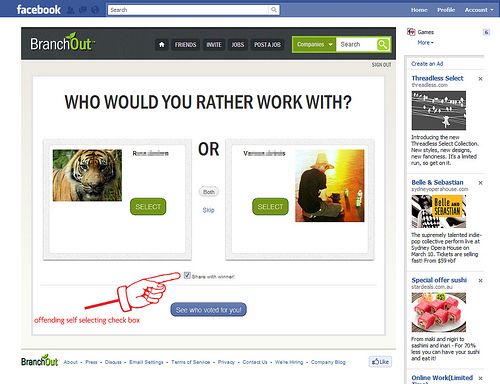
Spam is one of the most annoying activities on the internet; it makes us waste our time filtering the information we receive.
Unfortunately, we are already used to the original form of spam—the kind that reaches us via email—but little by little, anti-spam filters have improved significantly, making it possible to reduce the amount of spam received.
With the birth and subsequent expansion of social networks, spammers have modified the way they send us spam to harass us on Facebook, Twitter, MySpace, etc. But the novelty of this spam is that our friends are the ones sending it to us!
This is what we can call Social Spam, messages that our friends apparently leave on our wall for us to try an application, watch a video, or visit a page.
In many cases, Social Spam is used to spread viruses by leading you to a malicious page.
“But I don’t send those kinds of messages to my friends. Has my account been hacked? Have they stolen my password?” No, your account hasn’t been hacked, and no one knows your password; it’s not necessary—you allowed it to happen.
Who hasn’t used an application, for example, on Facebook, where to gain access it requests permissions that we often don’t read? These can include everything from accessing our data or photos to seeing our posts or writing on the wall for you.
Some of these applications that engage in Social Spam aren’t necessarily malicious. It happened to me recently with BranchOut, an application with a similar feel to LinkedIn, but within Facebook. BranchOut uses the bad practice of posting any activity you perform on your friends’ walls—for example, answering “Who would you rather work with?” between two of your friends (although a tiny checkbox appears in each question to prevent it). And that is full-blown spam, especially when you don’t know that answering that innocent question will result in it being published on the wall of the person in question.
There are many other applications that carry out these annoying practices.
I understand that they want to make themselves known and reach many users quickly—they probably succeed—but as far as I’m concerned, applications that practice this aggressive form of self-promotion join the already long list of blocked applications on my account.
To finish, I’ll leave you with a few links regarding similar debates and opinions:
http://www.quora.com/Why-are-several-people-complaining-about-BranchOuts-viral-features
http://www.eriontheinterweb.com/2011/02/facebook-faux-paux-face-palm-i-hate-you-branchout/
http://www.liquida.com/article/15581986/facebook-linkedin-twitter/
http://www.allfacebook.com/branchout-lets-users-spam-others-explodes-in-popularity-2011-01
