 Sergio Carracedo
This article was originally published on Fika.
At the end of 2018, almost 8 years ago now, I was diagnosed with Stage IV Non-Hodgkin Lymphoma, but I won’t go into the details here; I already wrote about it at the time if you, the reader, are curious to know more:
About the medical part:
- What one of my chemotherapy cycles is like
- Things I’ve learned from cancer
- My experience with doctor-patient treatment.
And the geeky part (the best one), or as I like to think of it, the day I was radioactive ☢️ 😂
But this post is about something else. During that time, a subcutaneous port (reservoir) was implanted under my collarbone, consisting of a small (more or less cylindrical) piece of metal and rubber from which a catheter runs, connected to the Superior Vena Cava. This small piece is very useful as it allows for the administration of chemotherapy treatments without “battering” the veins in the same way that might happen with a typical peripheral line in the arm.
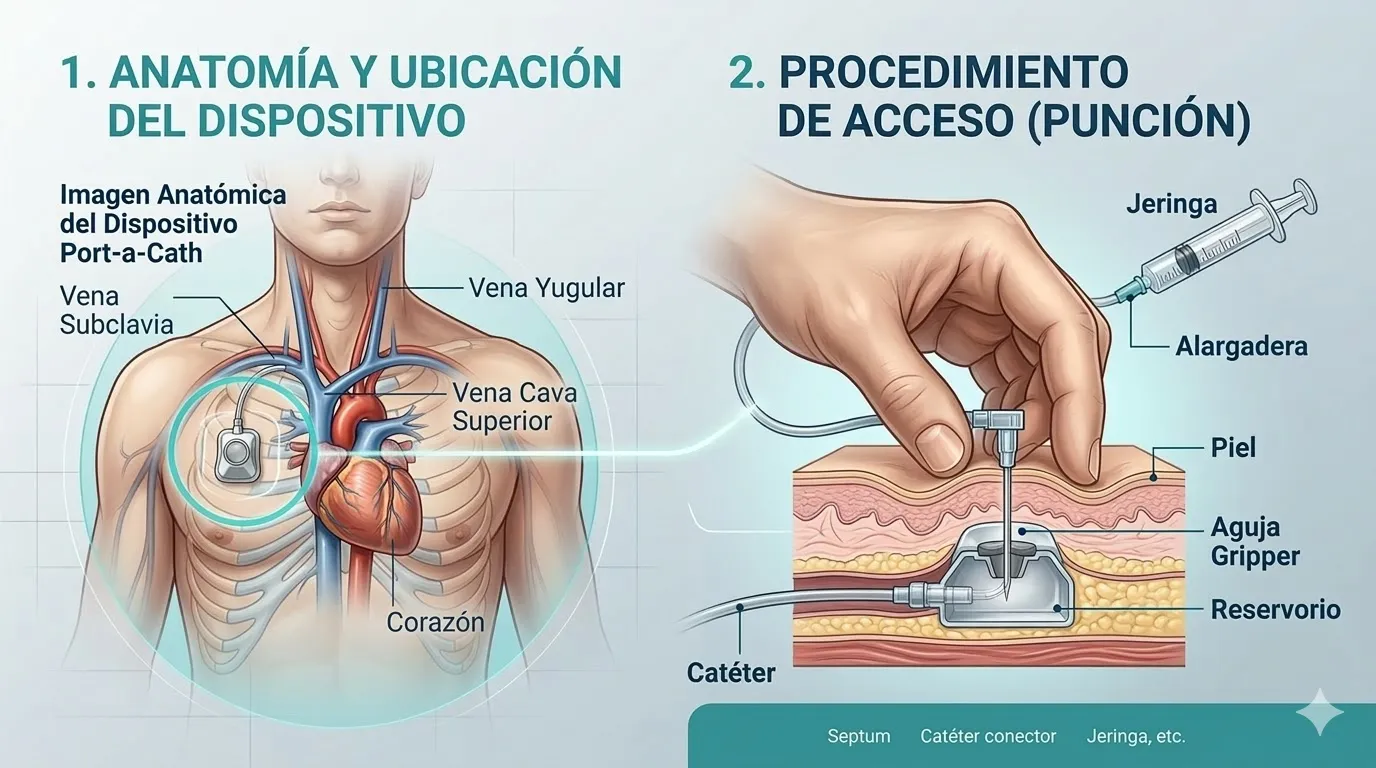
In my case, this “device” had been unused for 7 years, which is a good sign, but it is still something that requires maintenance; every 3 months it needs flushing and heparinization to avoid the risk of clots. The procedure is very simple: the nurse “connects” to the port as seen in the image, draws a little blood to check if there are clots or if it flows correctly, injects saline solution and then heparin, and removes the needle.
With that introduction out of the way, I’ll get to the point:
It was removed just this week 🥳
As I said before, it’s a small step since it hadn’t been used for a long time, but for me, the meaning and value of this removal is something very significant that marks another milestone in this whole process.
As a curiosity, the removal process is quite simple; in the surgeon’s words: “it could be done in the hallway.” You simply show up at the hospital fasting, undress from the waist up, and they put a cap on your hair to prevent any from falling into the wound. They connect a heart rate monitor, blood pressure cuff, etc. Once lying on the operating table, they prepare the field, clean and sterilize the area, and surround it with a kind of paper blanket to leave only the incision area visible.
The surgeon injected the local anesthesia, a moment when I felt practically nothing. She makes the cut, removes it, and closes it (obviously she does many more things, but I had no way of seeing them, which I would have loved to, given my position).
And once the wound is closed and a dressing is applied, you get dressed and leave.
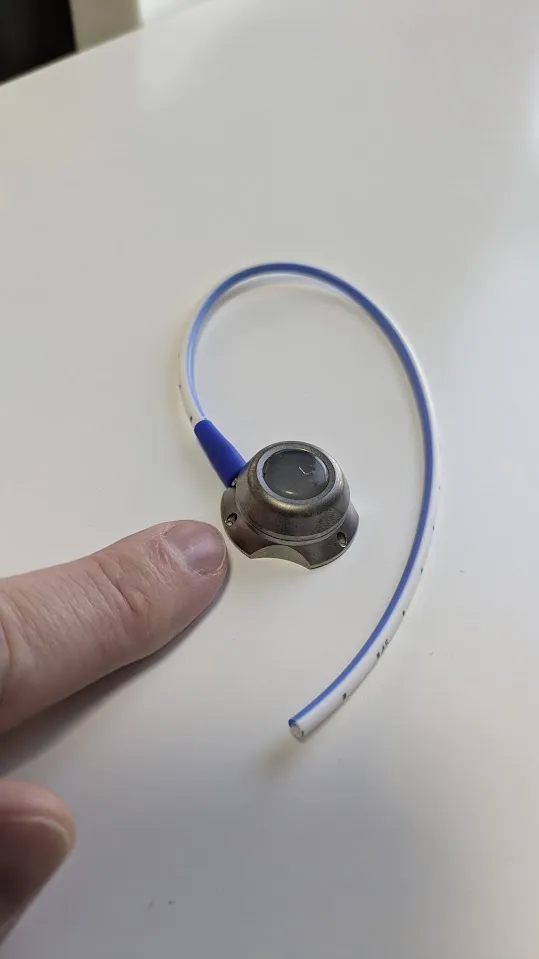
Obviously, I asked if they could give me the port, which they did, and this is the device that was inside me for almost 8 years:
I would like to thank surgeon Esther Boullosa, not just for the operation, but for the human touch; she spent the entire duration of the operation chatting with me and answering my questions, which are never few.
As always, I take all these things as a moment to keep learning.
If you have any curiosity regarding this or the process I went through at the time, don’t be afraid to ask; I’m always happy to tell my stories, and if it can help others understand these processes, all the better.
